
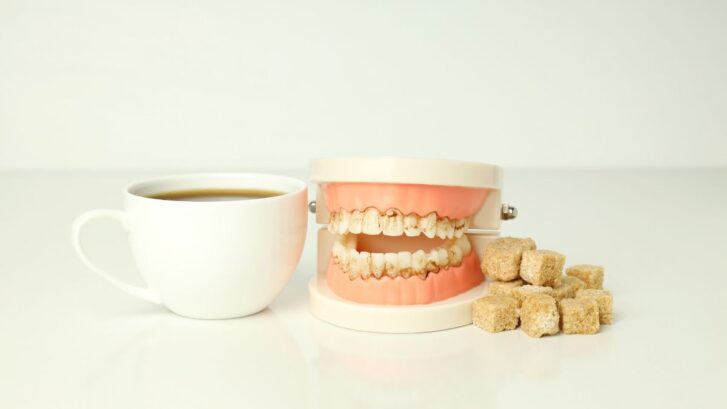
In Bethlehem, GA, sugary snacks and drinks are part of many daily routines, from morning coffee to afternoon treats. While sugar is often associated with cavities, its effects on oral health go far beyond tooth decay. Frequent sugar exposure can affect gum health, enamel strength, and the balance of bacteria in the mouth. Understanding these hidden risks can help individuals make more informed decisions about their oral care habits.
How Sugar Affects the Mouth
Sugar itself does not directly damage teeth. The problem begins when bacteria in the mouth feed on sugar, producing acids. These acids weaken enamel, the protective outer layer of teeth, making them more vulnerable to decay and sensitivity.
The longer sugar remains on teeth, the longer acid attacks continue. Frequent snacking or sipping sugary beverages throughout the day increases exposure and prevents the mouth from naturally recovering between meals.
The Connection Between Sugar and Tooth Decay
Acid Production and Enamel Breakdown
Every time sugary foods or drinks are consumed, bacteria produce acid that can remain active for up to 20 minutes. Over time, repeated acid attacks wear down enamel and create small, weak spots where cavities may form.
Patients in Bethlehem, GA, who visit a trusted dentist, are often surprised to learn that even foods labeled as healthy, such as flavored yogurt or fruit drinks, may contain enough sugar to contribute to enamel erosion when consumed frequently.
Hidden Sources of Sugar in Everyday Foods
More Than Candy and Desserts
Many processed foods contain added sugars that people may not notice immediately. Sauces, cereals, sports drinks, and packaged snacks can all contribute to oral health concerns.
These hidden sugars continuously feed oral bacteria, increasing plaque buildup. Paying attention to ingredient labels and reducing unnecessary sugar intake can help support healthier teeth and gums over time.
Sugar and Gum Health
Increased Plaque and Inflammation
Excess sugar not only affects teeth. It also contributes to plaque accumulation along the gumline. As plaque builds up, gums may become irritated and inflamed, leading to redness, tenderness, or bleeding during brushing.
Individuals seeking dental care in Bethlehem, GA, often receive guidance on balancing diet with proper oral hygiene to help reduce plaque-related concerns.
Daily Habits That Help Protect Teeth
Supporting Long-Term Oral Health
Brushing twice daily with fluoride toothpaste and flossing regularly helps remove plaque and food particles before bacteria can thrive. Drinking water after sugary snacks may also help rinse the mouth and reduce acid exposure.
Routine dental visits play an important role in identifying early signs of decay or gum irritation before they progress further. Many patients choose to visit our dental office in Bethlehem for preventive care and ongoing oral health monitoring.
Importance of Preventive Dental Care
Preventive care helps reduce the long-term effects of sugar on oral health. Professional cleanings remove plaque and tartar that cannot be fully addressed through brushing alone. Dental evaluations also help detect enamel wear, sensitivity, and early cavity formation.
Consistent care combined with mindful dietary choices can help maintain stronger teeth and healthier gums over time.
If you have concerns about sugar’s impact on your oral health or want support maintaining healthier teeth and gums, professional care can help.
Contact us today to schedule an appointment and receive guidance for your long-term dental health.
FAQs
1. Does sugar directly damage teeth?
No, sugar feeds bacteria that produce acids, which then weaken enamel over time.
2. Can hidden sugars affect oral health?
Yes, processed foods and drinks with added sugars can contribute to plaque buildup and decay.
3. How often should I brush after eating sugary foods?
Brushing twice daily is important, but waiting briefly after acidic foods may help protect enamel.
4. Does sugar affect gum health, too?
Yes, excess sugar can increase plaque buildup and contribute to gum inflammation.
5. Are sugary drinks worse than sugary foods?
Sugary drinks often expose teeth to sugar for longer periods, especially when sipped slowly.
6. Can enamel recover after sugar exposure?
Early enamel weakening may improve with fluoride and oral care, but advanced damage requires treatment.
7. Why are regular dental visits important?
They help identify early signs of decay, enamel wear, and gum issues before they worsen.