
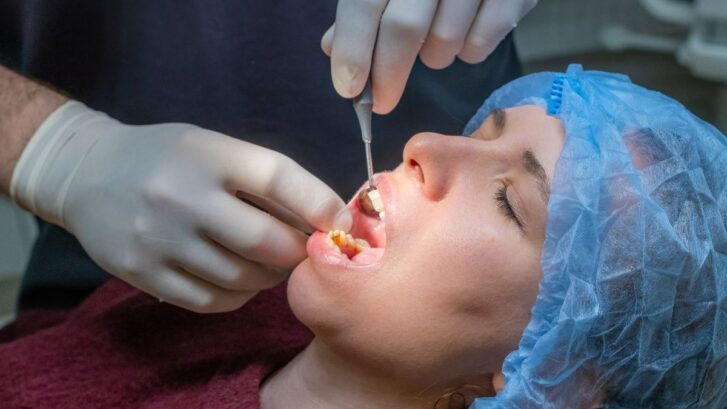
If you’ve recently had a root canal or are preparing for one in Bethlehem, you may be wondering whether a dental crown is always necessary afterward. Root canal therapy is designed to save a damaged or infected tooth, but the treatment process doesn’t always end once the infection is removed. Depending on the location of the tooth and the amount of remaining tooth structure, your dentist may recommend additional protection. Understanding when a crown is needed can help you make informed decisions about your oral health and preserve your natural smile for years to come.
What Happens During a Root Canal?
A root canal removes infected or inflamed pulp from inside the tooth. After cleaning and disinfecting the canals, the space is filled with a special material to prevent future infection. Although this procedure saves the tooth, it also leaves it more brittle because the inner tissue has been removed.
Without proper restoration, the treated tooth may become more vulnerable to cracking or breaking under normal chewing pressure.
Why Are Crowns Often Recommended?
Protection Against Fractures
After root canal treatment, many teeth lose a significant amount of their natural structure due to decay, trauma, or previous fillings. A dental crown covers the entire visible portion of the tooth, helping protect it from fractures while restoring strength and function.
For back teeth that handle most of the chewing force, crowns are commonly recommended to provide long-term stability.
Restoring Everyday Function
A crown allows the treated tooth to function more like a natural tooth. It helps distribute biting pressure evenly and supports comfortable chewing. Patients receiving root canals in Bethlehem are often advised that placing a crown can significantly reduce the likelihood of future damage, especially for molars and premolars.
Are Crowns Always Necessary?
Not every root canal requires a crown. The decision depends on several factors, including the tooth’s location, the amount of healthy tooth remaining, and your bite.
Front Teeth May Not Always Need One
Front teeth typically experience less chewing pressure than back teeth. If a front tooth has minimal structural damage after treatment, a filling or bonding material may provide sufficient restoration. However, if the tooth has extensive damage or cosmetic concerns, a crown may still be recommended.
Back Teeth Usually Benefit from Crowns
Molars and premolars absorb much of the force created during chewing. Even after successful root canal treatment, these teeth are more susceptible to fractures without additional protection. A crown reinforces the tooth and helps maintain long-term function.
Factors Your Dentist Will Consider
Every patient has unique dental needs. Your dentist will evaluate several factors before recommending the most appropriate restoration, including:
Amount of Remaining Tooth Structure
If much of the natural tooth has been lost due to decay or previous restorations, a crown provides added reinforcement that a filling alone may not offer.
Your Bite and Oral Habits
Patients who grind or clench their teeth place additional stress on treated teeth. In these cases, a crown may offer valuable protection against future fractures.
The Importance of Follow-Up Care
After root canal treatment, maintaining excellent oral hygiene is essential. Brush twice daily, floss regularly, and attend routine dental checkups to keep both the treated tooth and surrounding teeth healthy. If your dentist recommends a crown, delaying placement may increase the risk of the weakened tooth cracking.
Be sure to visit our dental office in Bethlehem for regular examinations so your dentist can monitor your restored tooth and address any concerns early.
While a crown is not required after every root canal, it is often the preferred option for protecting teeth that have lost strength or are subject to heavy chewing forces. Your dentist will evaluate your individual situation and recommend the restoration that offers the greatest long-term support. Following professional recommendations and maintaining regular dental care can help preserve your treated tooth for many years.
Contact us today to schedule an appointment and find out whether a crown is the right solution following your root canal treatment.
FAQs
1. Does every root canal require a dental crown?
No. Some front teeth with minimal damage may only need a filling, while many back teeth benefit from a crown.
2. Why is a tooth weaker after a root canal?
Removing the infected pulp and previous decay can reduce the tooth’s overall strength, making it more susceptible to fractures.
3. How soon should a crown be placed after a root canal?
Your dentist will recommend an appropriate timeline, but placing the crown promptly helps protect the treated tooth.
4. Can I chew normally without a crown after a root canal?
You should avoid chewing heavily on the treated tooth until your dentist completes the final restoration.
5. What happens if I delay getting a crown?
Waiting too long may increase the risk of cracking or breaking the treated tooth, which could require additional treatment.
6. How long does a crown last after a root canal?
With proper care and regular dental visits, many crowns provide reliable protection for many years.
7. How can I care for a crowned tooth?
Brush twice daily, floss every day, avoid chewing on hard objects, and attend regular dental checkups to maintain your restoration.